
Inside Brush Sushi’s 10-Year Journey and the Rise of Omakase in Atlanta
Published March 31, 2026
Add Discover ATL as a preferred source on Google
At a Glance:
- Brush celebrates its 10th anniversary.
- Chef Jason Liang opened Brush in 2016, helping introduce omakase and refined Japanese dining to Atlanta.
- The restaurant has grown into a MICHELIN-recognized concept and the foundation of the Lucky Momo Hospitality group.
- Brush has trained a new generation of chefs, contributing to the growth of Atlanta’s sushi and omakase scene.
- Improved sourcing, industry recognition and rising demand have driven the evolution of high-end sushi in the city.
- Chef Jason continues to focus on mentorship, innovation and the expansion of appreciation for authentic Japanese cuisine in Atlanta.

When Chef Jason Liang opened Brush Sushi in 2016, Atlanta’s sushi landscape looked very different from what it does today. Omakase was still unfamiliar to many diners, sourcing high-quality fish was a challenge and the idea of dry-aging seafood or focusing on seasonality wasn’t part of everyday dining conversations.
But he saw an opportunity to bring a more refined izakaya-style experience that didn’t feel overly formal or stuffy. “Something rooted in yakitori and Japanese gastropub culture,” he said. “But presented in a more polished, high-end casual way.
Ten years later, that vision has evolved into a restaurant group, a MICHELIN-recognized dining destination and, perhaps most importantly, a training ground for a new generation of chefs helping redefine what Japanese cuisine looks like in Atlanta.
Building Something the City Didn’t Yet Have
Chef Jason’s relationship with Atlanta began long before Brush opened its doors. In 2006, he came back from training in Taiwan and noticed a gap. “High-quality sushi was much harder to find,” he said. From there, the inspiration for his first restaurant adventure began.
Opening Brush in Decatur then meant taking risks — financial, operational and cultural.

“We offered around 30 different à la carte sushi options and tried to change the fish selection daily. That level of sourcing and inventory management was expensive, especially back then,” he says. “But it was important to show guests what high-quality sushi could be beyond rolls with heavy sauces and to build that understanding from the ground up.”
That early work required patience and education.
“We had to explain why things were done a certain way,” he remembers, thinking that within five years, the city would catch up. “And, it did.”
(Photo of Chef Jason Liang by ChingYao Wang)
Growing Alongside Atlanta
In many ways, Chef Jason’s career mirrors the evolution of Atlanta’s dining scene itself.
“Atlanta was a younger, less saturated dining market when we started,” he said. That allowed him to experiment, expand and build multiple concepts under the Lucky Momo Hospitality umbrella, including O by Brush and Cuddlefish.
“It gave me a platform,” he said. “There was room to experiment and expand into different concepts without the same level of competition you might face in more established markets.”
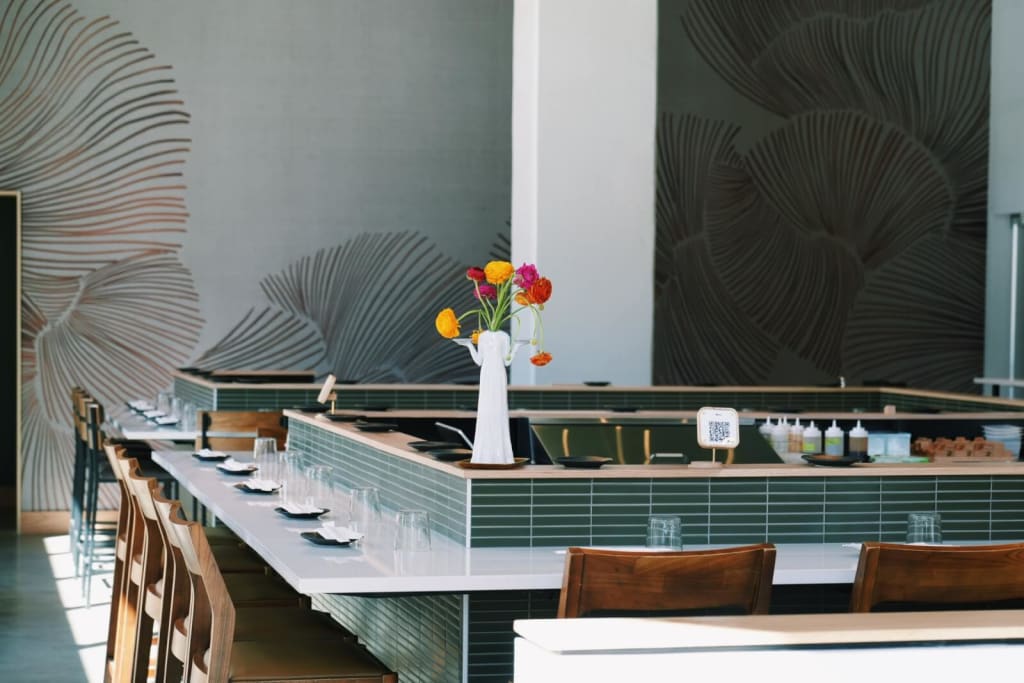
Alongside his career, he has watched the city transform into a more authentic, globally representative culinary scene. “Years ago, many Asian restaurants were adapted heavily for American audiences,” he said. “Now, you’re seeing more concepts created for Asian communities themselves, which brings a higher level of authenticity and diversity.”
He also points to industry recognition as a turning point, such as the MICHELIN Guide’s arrival in the South in 2023. “There’s a greater sense that culinary ambition is rewarded. Chefs seem more empowered to experiment.” In the 2024 selection, O by Brush earned its first One-Michelin Star, and in 2025, Lucky Star made the MICHELIN Recommended list.
The Art Behind the Counter
For diners sitting at the omakase bar, the experience may feel effortless. But behind each piece of sushi is a process shaped by precision, timing and restraint. “Sushi, to me, is an art form,” chef Jason said. “It’s incredibly detail-oriented and seasonal.” That philosophy guides everything from sourcing to service.
“Sourcing has to make sense. You don’t serve something just because you can get it,” he said. More isn’t always better. Simplicity often requires more skill and restraint.” Even a single piece of nigiri can take days — or weeks — to prepare.
Aging is a technique that chef Jason masters. It is the process of removing excess moisture from fish, concentrating flavor and improving texture. For some guests, this might be new, so the educational approach is intentional and happens in real time with the guest at the counter. “We try to make it welcoming and educational without being overly prescriptive,” he said. “It’s really about guiding guests and making the experience enjoyable.”
(Photo of fish aging, by ChingYao Wang)

A Kitchen that Became a Launchpad
Over the past decade, Brush has become more than a restaurant. It has become a place where chefs learn, grow and eventually step out on their own. One example is Alex Candelas, who started his career in chef Jason’s kitchen and now runs his own omakase concept, Homemakase.
Seeing former team members succeed, he said, is one of the most rewarding parts of the job. “There’s always going to be competition in this industry, but there’s mutual respect,” he said. “Seeing people grow and build something of their own is a success in itself.”
Mentorship, he believes, is a responsibility. “To teach everything,” he said. “Not just technique, but mind-set and respect for the culture behind the craft.” That philosophy reflects a broader vision for the industry.
The Evolution of Omakase in Atlanta

Ten years ago, options for high-end sushi in Atlanta were limited. Today, diners can choose from a wide range of omakase experiences. The difference, chef Jason says, starts with supply. “When we started, sourcing was a challenge,” he said. “There were very few suppliers. Now, there are many more, which have improved both quality and variety.” That growth has changed the competitive landscape — but also raised expectations.
“Once sourcing is no longer the primary hurdle, it really comes down to execution and the experience you create for guests,” he said. “The evolution has been dramatic.” Restaurants, he believes, play a critical role in shaping a city’s identity. “For many people, dining defines their experience of a city,” he said. “Being known as a good food city matters. It influences travel, perception and growth.”
The Partnership Behind the Vision

Behind the restaurants is a long-standing creative partnership with his wife, ChingYao Wang, the creative force behind everything. “While she leads the pastry and café program, she touches everything from brand identity and interior design to plateware sourcing, photography and overall concept development.”
Their collaboration began 18 years ago in Taiwan, where they met while working as interns at a hotel.
(Photo of Brush Sushi brunch, by ChingYao Wang)
Looking Ahead


After a decade in business, chef Jason says one milestone stands above the rest. “Earning and maintaining a Michelin Star,” he said. “It’s truly a dream come true.”
But the work, he says, is far from finished. Travel continues to shape his perspective and influence his menus, especially visits to Tokyo, Taipei and New York — cities he considers leaders in culinary innovation.
“Every year, my wife and I spend a few weeks in Asia exploring, eating and learning,” he said. “When we return to Atlanta, we bring that perspective back with us, finding ways to translate what we’ve experienced into something that feels relevant here.”
Ultimately, his goal is simple. “Helping introduce true omakase to the city, building a platform for others to learn and bringing a deeper appreciation for high-quality Japanese cuisine into the conversation.”
Cheers to 10 years, and many more!
Discover more Must-Try restaurants in Atlanta.

Daniela Cintrón is an award-winning journalist, editor, and producer passionate about storytelling at the intersection of food, art, and culture. She is the content manager and bilingual editor for Discover Atlanta and contributes to publications like the Los Angeles Times, Atlanta Magazine and Eater.
Discover More
Get to know Atlanta, and discover the best things to do around the city.

